
- This topic is empty.
-
AuthorPosts
-
19/01/2026 at 15:02 #6072
In heavy industries such as mining, construction, and manufacturing, equipment is subjected to extreme wear and tear. Components like excavator buckets, crusher parts, and industrial tools often face abrasive materials, high impact, and corrosive environments. Over time, this wear can reduce operational efficiency, increase maintenance costs, and lead to unexpected downtime. To address these challenges, industrial hardfacing welding machines have become an essential solution for extending the lifespan of critical machinery.
What Are Industrial Hardfacing Welding Machines?
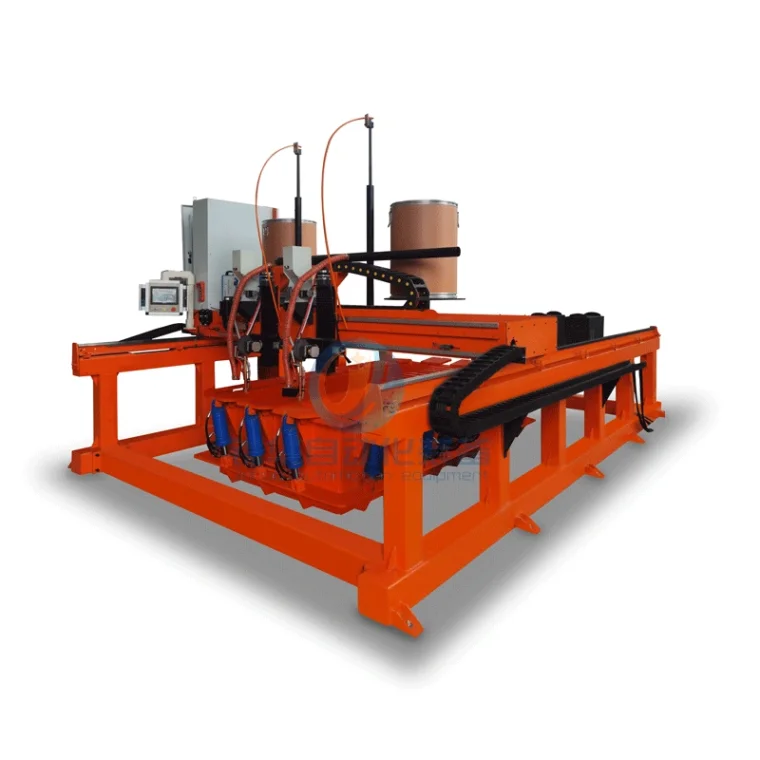
Hardfacing welding machines are specialized equipment designed to deposit a wear-resistant metal layer on the surface of base materials. This process, known as hardfacing or overlay welding, involves applying a high-strength alloy or metal composite onto the working surfaces of components, enhancing their durability and resistance to abrasion, impact, and corrosion.
Unlike conventional welding, hardfacing requires precise control over heat input, material feed, and deposition patterns to ensure optimal adhesion and uniform coverage. Industrial hardfacing welding machines are built to meet these demanding requirements, delivering consistent performance for heavy-duty applications.
Key Benefits of Using Hardfacing Welding Machines in Heavy-Duty Applications
1. Increased Equipment Lifespan
By applying a wear-resistant layer to high-friction components, hardfacing significantly reduces material loss due to abrasion and impact. This results in a longer operational life for equipment, minimizing the frequency of part replacements and associated downtime.
2. Cost Efficiency
While hardfacing involves upfront investment in materials and equipment, the long-term savings are substantial. Extending component life reduces maintenance costs, minimizes production interruptions, and prevents costly repairs or replacements, making it a highly cost-effective solution for heavy industries.
3. Enhanced Performance Under Extreme Conditions
Industrial hardfacing welding machines are capable of depositing specialized alloys that withstand high temperatures, corrosive environments, and high-impact loads. This ensures that equipment maintains peak performance even under harsh working conditions, improving overall productivity.
4. Versatility Across Applications
Hardfacing welding machines can be used on a wide range of components, including:
-
Excavator buckets, blades, and teeth
-
Conveyor system parts
-
Crusher and grinder components
-
Industrial tools and dies
-
Mining equipment and earthmoving machinery
This versatility allows industries to maintain and upgrade multiple types of machinery using a single process.
Types of Industrial Hardfacing Welding Machines
Selecting the right hardfacing welding machine depends on the application, material type, and production scale. The most common types include:
1. Arc Welding Hardfacing Machines
Arc welding machines use an electric arc to melt and deposit the hardfacing material onto the base metal. They are widely used due to their reliability, ease of use, and ability to handle thick and heavy components. Popular arc welding methods for hardfacing include shielded metal arc welding (SMAW) and flux-cored arc welding (FCAW).
2. Plasma Hardfacing Machines
Plasma hardfacing machines use a high-temperature plasma arc to melt and deposit hardfacing materials. This method provides precise control over heat input and produces a high-quality, dense coating. Plasma hardfacing is particularly suitable for thin-walled components or applications requiring minimal distortion.
3. MIG/MAG Hardfacing Machines
Metal inert gas (MIG) and metal active gas (MAG) welding machines are commonly used in industrial hardfacing for high-speed deposition and automated operations. These machines are ideal for large-scale manufacturing and maintenance operations where consistent quality and efficiency are critical.
4. Submerged Arc Hardfacing Machines
Submerged arc welding (SAW) machines offer deep penetration and high deposition rates, making them suitable for heavy-duty, large-scale industrial applications. The process involves covering the weld zone with granular flux, which protects the molten metal and enhances weld quality.
Choosing the Right Industrial Hardfacing Welding Machine
When selecting a hardfacing welding machine for heavy-duty applications, several factors should be considered:
1. Material Compatibility
The machine should be compatible with both the base material and the hardfacing alloy. Common alloys include tungsten carbide, chromium carbide, nickel-based alloys, and stainless steel composites. Choosing the right material ensures optimal wear resistance and adhesion.
2. Deposition Rate and Efficiency
High deposition rates reduce operational time and labor costs. Industrial machines with automated wire feed and adjustable power settings provide better efficiency for large-scale operations.
3. Portability and Flexibility
In industries like mining and construction, equipment often requires on-site maintenance. Portable hardfacing welding machines allow technicians to perform repairs directly at the worksite, reducing downtime and transportation costs.
4. Precision and Control
Accurate control over heat input, travel speed, and electrode positioning is critical for high-quality hardfacing. Machines equipped with advanced control systems and digital interfaces provide better precision and repeatability.
5. Safety Features
Industrial hardfacing involves high temperatures and molten metal, which can pose safety risks. Machines with built-in safety mechanisms, such as overload protection, stable power regulation, and ergonomic design, help ensure operator safety.
Operating and Maintaining Hardfacing Welding Machines
Proper operation and maintenance are key to maximizing the performance and lifespan of hardfacing welding machines. Some best practices include:
-
Pre-weld Preparation: Clean the base material surface thoroughly to remove rust, grease, and contaminants. Proper surface preparation ensures good adhesion.
-
Correct Settings: Adjust current, voltage, and travel speed according to the base material and hardfacing alloy specifications.
-
Layering Technique: Apply multiple thin layers rather than a single thick one to minimize cracking and distortion.
-
Regular Maintenance: Inspect welding cables, nozzles, and wire feeds regularly. Lubricate moving parts and replace worn components promptly.
-
Safety Compliance: Always wear protective gear, ensure proper ventilation, and follow standard operating procedures.
Future Trends in Hardfacing Welding Technology
The industrial welding industry continues to innovate, with several trends shaping the future of hardfacing:
-
Automation and Robotics: Automated hardfacing systems and robotic arms improve consistency, speed, and safety for large-scale operations.
-
Advanced Alloys: Development of ultra-hard and corrosion-resistant alloys extends the life of industrial components even further.
-
Energy Efficiency: Modern machines are designed to consume less power while maintaining high deposition rates, reducing operational costs.
-
Digital Monitoring: Integration of sensors and digital monitoring systems allows real-time tracking of deposition quality and machine performance.
Conclusion
For heavy-duty industrial applications, hardfacing welding machines are indispensable tools that enhance equipment durability, reduce maintenance costs, and ensure continuous productivity. Selecting the right machine, using proper materials, and following best operational practices can significantly extend the life of critical components in mining, construction, manufacturing, and other demanding industries.
Whether you are a maintenance engineer, production manager, or equipment supplier, investing in industrial hardfacing welding machines is a strategic decision that delivers long-term value, operational efficiency, and industrial competitiveness.
Jinhua Welding, as a professional manufacturer and supplier of industrial hardfacing welding machines, specializes in providing high-quality, durable, and wear-resistant solutions for heavy-duty applications. With years of experience serving mining, construction, and manufacturing industries, Jinhua Welding ensures each machine delivers superior performance, extends equipment lifespan, and reduces maintenance costs. Our customizable hardfacing welding machines are designed to meet diverse project requirements, offering reliable efficiency and advanced technology for global clients seeking long-term industrial solutions.http://www.jhnm-hardfacing.com
jhnm-hardfacing -
-
AuthorPosts

- You must be logged in to reply to this topic.