
- This topic is empty.
-
AuthorPosts
-
07/08/2026 at 17:09 #7523
In many industrial applications, plywood is selected because it offers an excellent balance between strength, weight, processing flexibility, and cost efficiency. However, not all plywood products can meet the requirements of environments where moisture, humidity, and temperature changes are constant challenges.
For marine construction, outdoor structures, transportation equipment, and high-end interior projects, material failure caused by water exposure can lead to expensive repairs, production delays, and reduced product reliability. This has increased demand for marine plywood waterproof solutions that provide higher structural stability and longer service life compared with conventional plywood.
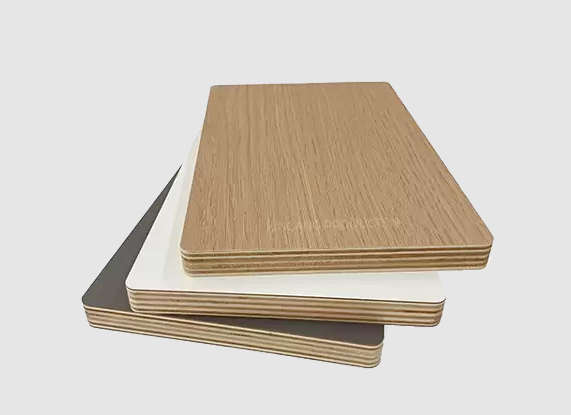
The difference between marine waterproof plywood and traditional plywood is not simply whether the material can contact water. The key difference lies in how the plywood maintains its internal strength, dimensional accuracy, and bonding performance after long-term exposure to demanding environments.
Why Traditional Plywood Faces Limitations in Moisture Environments
Traditional plywood is widely used in furniture, interior decoration, and general construction because of its affordability and easy processing characteristics.
However, standard plywood is usually designed for controlled environments where moisture exposure is limited.
When ordinary plywood is exposed to high humidity or water over extended periods, several performance issues may occur.
Veneer Delamination
The most common failure mode is separation between veneer layers.
When water penetrates the plywood structure, the adhesive interface may gradually weaken. As bonding strength decreases, layers can separate and create internal defects.
This problem is particularly serious in:
-
Marine equipment
-
Outdoor structures
-
Vehicle flooring
-
Coastal buildings
Once delamination occurs, repairing the plywood is usually difficult, requiring replacement of the entire panel.
Dimensional Expansion and Deformation
Wood is naturally sensitive to moisture.
Traditional plywood may experience:
-
Thickness expansion
-
Edge swelling
-
Surface deformation
-
Loss of installation accuracy
In precision manufacturing or construction projects, these changes can affect assembly quality and final product performance.
Reduced Mechanical Performance
Plywood is often selected for its strength-to-weight ratio. However, moisture damage can reduce:
-
Bending strength
-
Screw holding ability
-
Structural stability
For load-bearing applications, maintaining strength after environmental exposure is essential.
How Marine Plywood Waterproof Technology Solves These Problems
A high-performance marine plywood waterproof solution improves durability through advanced material engineering rather than simple surface treatment.
The main improvements include adhesive technology, veneer control, and optimized manufacturing processes.
Advanced Adhesive Systems Create Long-Term Bonding Stability
The adhesive system is one of the biggest differences between marine waterproof plywood and standard plywood.
Traditional plywood may use adhesive systems suitable for dry applications. Marine plywood requires bonding materials that can maintain strength under moisture stress.
Shandong Xingang Group developed Xingang Bio-based Adhesive technology, focusing on environmentally friendly and high-performance bonding solutions.
The adhesive technology provides:
-
Zero formaldehyde
-
Zero benzene
-
Zero harmful substances
-
Strong bonding performance
This combination allows plywood products to achieve both environmental safety and industrial durability.
For applications requiring long service life, stable bonding performance reduces the risk of structural failure caused by water exposure.
Performance Comparison Between Marine Waterproof Plywood and Traditional Plywood
When selecting plywood for industrial projects, the difference becomes clear through actual application requirements.
Water Resistance
Traditional plywood:
-
Suitable for dry indoor environments
-
Limited resistance to continuous moisture exposure
-
Higher risk of swelling after water contact
Marine plywood waterproof:
-
Designed for humid and demanding environments
-
Maintains bonding integrity under moisture conditions
-
Provides better resistance to water-related damage
Structural Stability
Traditional plywood:
-
Performance may decline after repeated wet-dry cycles
-
Higher risk of deformation
Marine plywood waterproof:
-
Better dimensional stability
-
Improved resistance to environmental changes
-
Maintains structural reliability over longer periods
Service Life
Traditional plywood:
-
Shorter lifespan in outdoor or marine environments
-
Requires more frequent replacement
Marine waterproof plywood:
-
Extended service life
-
Reduced maintenance requirements
-
Better lifecycle cost performance
Real Application Scenarios Where Waterproof Marine Plywood Provides Advantages
Marine Industry: Reliability Under Extreme Conditions
Marine environments create some of the toughest conditions for wood-based materials.
Materials used in ships and boats must withstand:
-
High humidity
-
Salt air
-
Water exposure
-
Temperature variations
Applications include:
-
Yacht interior panels
-
Boat furniture
-
Marine decoration
-
Cabin structures
In these environments, ordinary plywood may experience accelerated aging, while waterproof marine plywood provides more reliable long-term performance.
Outdoor Construction: Stability Through Weather Changes
Outdoor construction materials are constantly affected by weather conditions.
Rain, sunlight, and temperature fluctuations can cause repeated expansion and contraction.
Marine plywood waterproof products help maintain:
-
Surface quality
-
Structural strength
-
Installation accuracy
They are suitable for:
-
Outdoor furniture
-
Landscape structures
-
Architectural decoration
-
Temporary construction systems
Transportation Manufacturing: Lightweight Strength with Moisture Resistance
Transportation industries require materials that combine strength and weight efficiency.
Plywood is widely used in:
-
Truck floors
-
RV interiors
-
Railway components
-
Specialty vehicle structures
These applications often face vibration, humidity changes, and mechanical stress.
Waterproof marine plywood helps maintain stable performance throughout the vehicle lifecycle.
High-End Furniture: Combining Durability and Environmental Safety
Modern furniture manufacturers increasingly require materials that offer both performance and environmental protection.
Applications such as:
-
Kitchen cabinets
-
Bathroom furniture
-
Commercial interiors
require plywood with better moisture resistance.
At the same time, indoor air quality requirements are becoming stricter. Environmentally friendly adhesive technologies provide a solution by reducing harmful emissions while maintaining material performance.
Why Environmental Performance Is Becoming a Competitive Advantage
The plywood industry is experiencing a major shift. Customers are no longer focused only on strength and waterproof capability. They also require materials that support sustainable manufacturing and healthier environments.
Traditional plywood production may rely on adhesives containing chemical components that create environmental concerns.
New-generation marine plywood solutions combine:
-
Waterproof durability
-
Low environmental impact
-
Safer indoor applications
-
Sustainable production methods
Shandong Xingang Group’s Xingang Bio-based Adhesive technology represents this new direction by developing plywood materials without formaldehyde, benzene, or harmful substances.
This approach allows manufacturers and construction companies to meet increasingly strict environmental expectations while maintaining industrial performance.
How to Select the Right Marine Plywood Waterproof Supplier
Choosing the right supplier requires evaluating more than product appearance.
Several technical factors should be considered.
Material Technology
A supplier should have advanced adhesive technology and stable manufacturing processes.
The bonding system directly affects waterproof reliability.
Quality Control Capability
Consistent performance requires strict control over:
-
Veneer selection
-
Moisture content
-
Pressing parameters
-
Finished product inspection
Application Experience
Different industries have different requirements.
A supplier with experience in marine, construction, transportation, and industrial applications can provide more suitable material solutions.
Sustainability Standards
Environmental performance is becoming an important purchasing factor.
Suppliers with innovative green technologies can help customers achieve both performance and sustainability goals.
Marine Plywood Waterproof Is Becoming the Preferred Choice for Demanding Applications
As industries continue to improve product quality requirements, traditional plywood is no longer sufficient for many challenging environments.
The value of marine plywood waterproof technology lies in its ability to provide stable performance where moisture resistance, durability, and environmental safety are all required.
Through advanced adhesive technology, optimized plywood structures, and environmentally responsible manufacturing, modern waterproof marine plywood delivers a reliable alternative for demanding industrial applications.
Shandong Xingang Group continues to develop environmentally friendly wood materials through innovative technologies, providing customers with plywood solutions that combine durability, safety, and sustainability.
For projects where material reliability directly affects operational success, choosing high-performance marine waterproof plywood is not only a material decision but also a long-term investment in quality and efficiency.
https://www.woodfull.top/
Shandong Xingang Group Co., Ltd. -
-
AuthorPosts

- You must be logged in to reply to this topic.