
- This topic is empty.
-
AuthorPosts
-
13/10/2026 at 18:45 #8246
The NBA is known for its fast breaks, long-range three-pointers, powerful dunks, and split-second defensive plays. As a new basketball season draws attention from fans around the world, it is also a good opportunity to look at one of the less visible factors behind the game: professional basketball court lighting.
Whether it is a professional arena, a school gymnasium, or a community sports center, lighting affects how players see the ball, how spectators follow the action, and how cameras capture the game.
So, what makes good basketball court lighting?
A professional basketball lighting system needs appropriate illuminance, consistent light distribution, effective glare control, and—when broadcasting is involved—lighting performance suitable for cameras. Simply installing brighter LED sports floodlights does not guarantee better visibility.
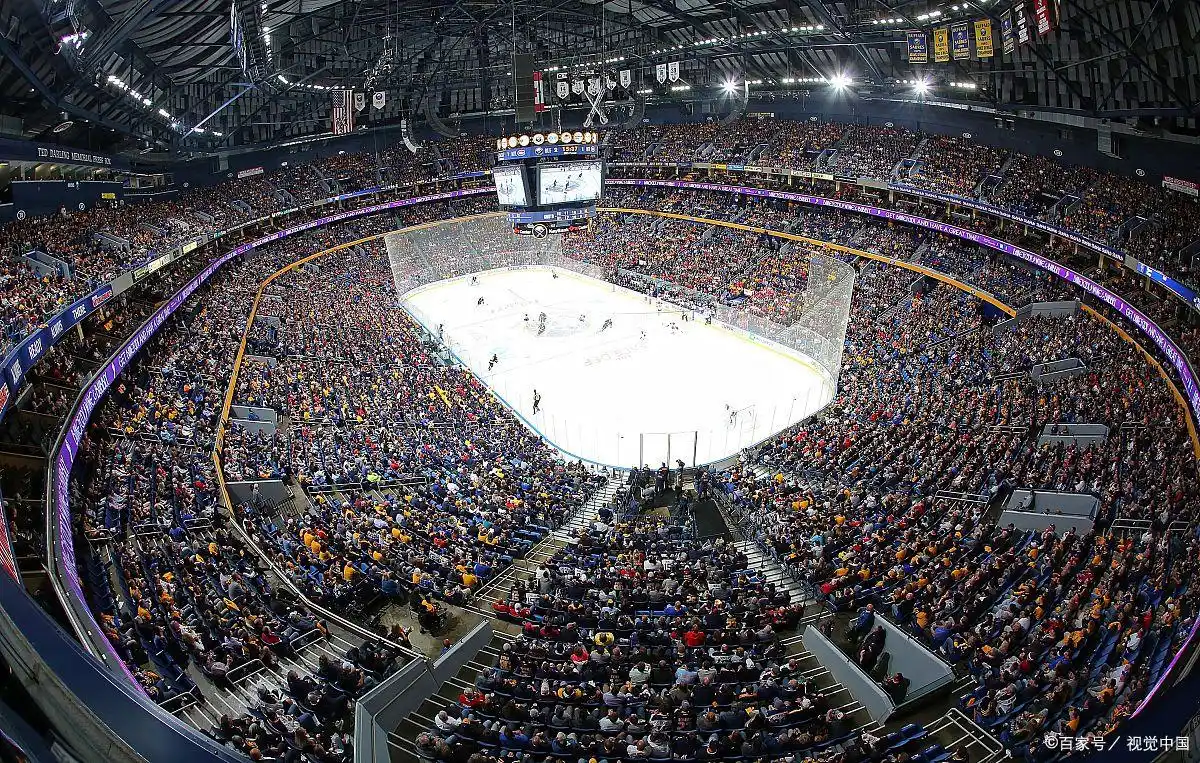
1. Why Does Basketball Court Lighting Need to Be Uniform?
Basketball is a fast-paced sport. Players sprint from one end of the court to the other, change direction quickly, jump for rebounds, and shoot from different positions. The ball can move rapidly between the perimeter, key, and basket.
If the playing surface has uneven lighting, players may encounter distracting bright and dark areas as they move across the court. Poor light distribution can also affect the overall visual experience for spectators.
A well-designed LED basketball court lighting system should provide consistent illumination across the playing area, including the key, three-point area, sidelines, and baseline.
When evaluating a lighting plan, consider:
· Average and minimum horizontal illuminance
· Illuminance uniformity across the court
· Fixture mounting positions and aiming angles
· Light distribution around the baskets and key areas
· The level of play and applicable lighting requirements
Average illuminance alone is not enough to evaluate a basketball lighting system. Designers should also examine minimum illuminance and uniformity to determine whether light is distributed effectively across the playing surface.
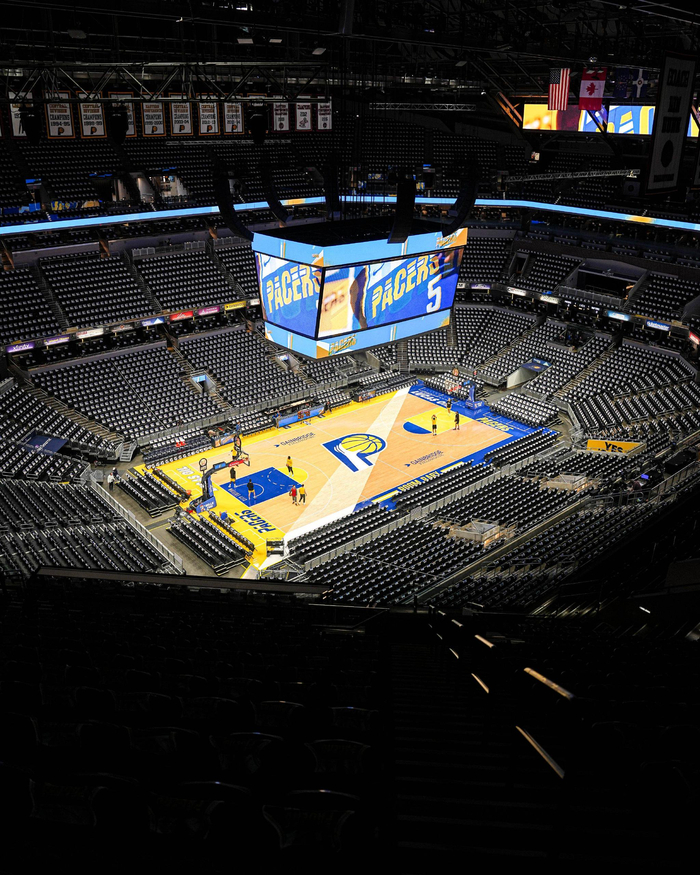
2. How Can Basketball Arena Lighting Reduce Glare?
Players regularly look upward when shooting, rebounding, and defending shots near the basket. Poorly positioned lights can enter their field of view and cause visual discomfort.
Glare can also affect spectators, particularly when bright fixtures are visible from seating areas or positioned within common viewing directions.
Effective glare control requires more than choosing a fixture advertised as anti-glare. The entire lighting layout matters.
A professional basketball lighting design should consider:
· Sports-specific optics that direct light toward the intended area
· Fixture positions and mounting heights
· Beam angles and aiming directions
· Player and spectator viewing angles
· Reflections from the court floor and surrounding surfaces
Correctly selected LED basketball court lights can help improve visual comfort when combined with suitable mounting positions and careful aiming.
The objective is to provide sufficient light where the game takes place without creating unnecessary brightness or unwanted light spill.
3. What Is Different About Basketball Lighting for TV Broadcasting?
Professional basketball is watched in arenas, on televisions, and through online streaming platforms. Cameras must capture fast movement, player expressions, jersey colors, and the ball throughout the game.
For venues hosting televised competitions, lighting design may need to address requirements beyond the horizontal illuminance of the court.
Vertical illuminance is important because cameras capture players and other subjects from particular viewing directions. Adequate light on the players helps cameras record the action clearly.
Color rendering affects how naturally player skin tones, team uniforms, and court colors appear on camera.
Flicker performance should be evaluated against the frame rates and exposure settings used by broadcast and high-speed cameras. A lighting system that appears stable to the naked eye may still produce distracting artifacts in slow-motion footage if it is not properly specified.
Lighting uniformity helps maintain consistent visual conditions across the court and relevant camera views.
These requirements should be considered early in the design process. Camera positions, fixture locations, mounting heights, and light distribution all influence the final result.
Not every basketball court needs a broadcast-level specification. A school gymnasium and a televised professional arena have different performance targets and budgets.
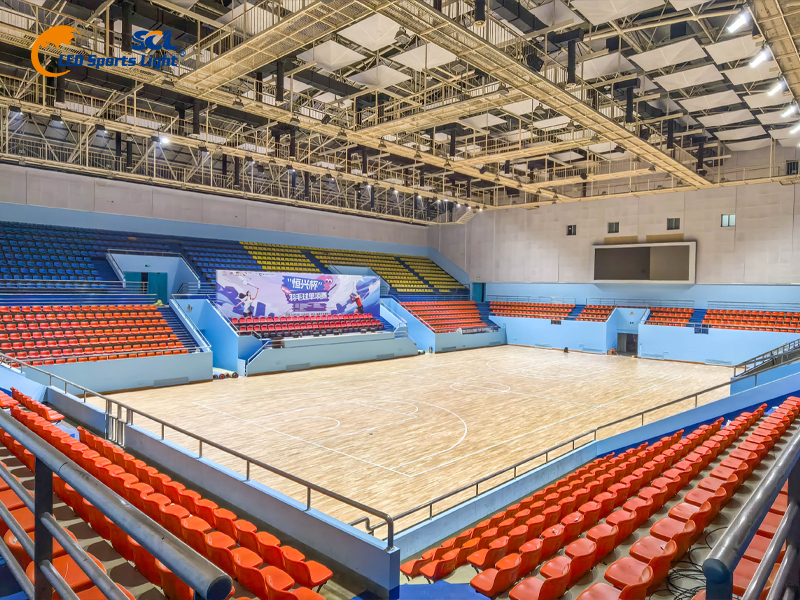
4. How Should LED Basketball Lighting Differ Between Venues?
The right lighting solution depends on how the facility will be used.
Community and recreational basketball courts
For community courts, priorities typically include comfortable visibility, consistent illumination, energy efficiency, and manageable operating costs.
The design should provide suitable lighting for recreational play without unnecessarily increasing installed power or creating excessive light spill.
School gymnasiums and training facilities
School and training venues need reliable lighting for regular practices, physical education, and local competitions.
Designers should consider ceiling height, mounting positions, court dimensions, glare from player viewpoints, and maintenance access. Lighting controls may also help facilities adapt lighting output to different activities.
Professional competition and broadcast arenas
Professional venues may require more demanding specifications for illuminance, uniformity, vertical illuminance, color rendering, and flicker performance.
The lighting layout must be coordinated with the venue’s competition requirements, spectator seating, camera positions, and architectural conditions.
For all three types of facilities, the specification should be based on the intended application and relevant standards rather than fixture wattage alone.
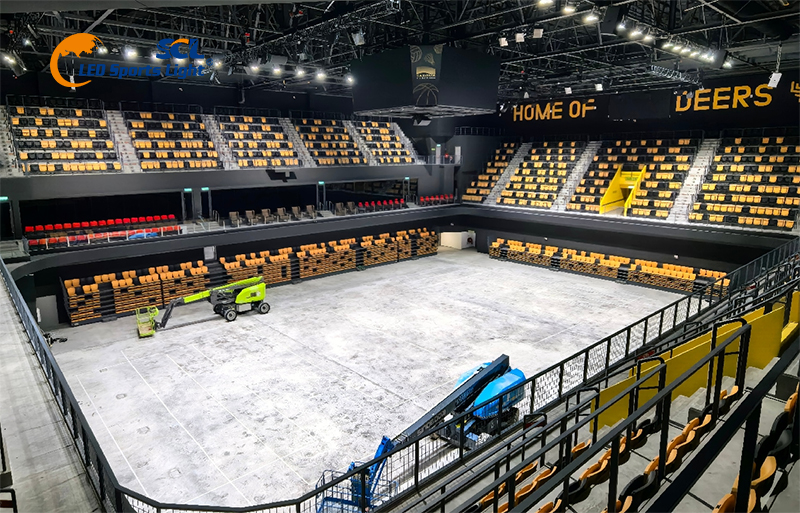
5. Can LED Basketball Court Lighting Reduce Operating Costs?
Sports facilities often operate their lights for extended periods, especially when they host evening games, training sessions, and community activities. Energy consumption and maintenance can therefore become significant operating expenses.
Upgrading an older lighting system to LED may reduce energy use and maintenance requirements, depending on the existing equipment, the new system’s performance, and operating schedules.
Before starting an upgrade, facility owners should compare:
· Existing illuminance and uniformity
· Required lighting performance after renovation
· Connected electrical load and operating hours
· Fixture efficiency and optical distribution
· Maintenance requirements and replacement costs
· Dimming and lighting-control capabilities
A sports lighting control system can also support different lighting scenes for training, competition, and general facility use. The available functions depend on the control system and fixture compatibility.
The best upgrade is not necessarily the one with the lowest initial fixture price. It is the solution that meets the lighting requirements while balancing installation costs, energy use, maintenance, and long-term performance.
6. What Should You Ask a Basketball Lighting Supplier?
When selecting a basketball court lighting manufacturer or supplier, facility owners and contractors should look beyond product wattage and advertised brightness.
Useful questions include:
· Can the supplier provide a lighting layout and photo–metric simulation?
· Are illuminance and uniformity calculations available for the actual court?
· How does the design address glare and light spill?
· Can the proposed system meet the venue’s competition and broadcast requirements?
· Are dimming and scene-control options available where needed?
· Can the supplier provide technical specifications, warranty terms, and relevant project references?
These questions help buyers evaluate the complete lighting solution rather than comparing fixtures on price alone.
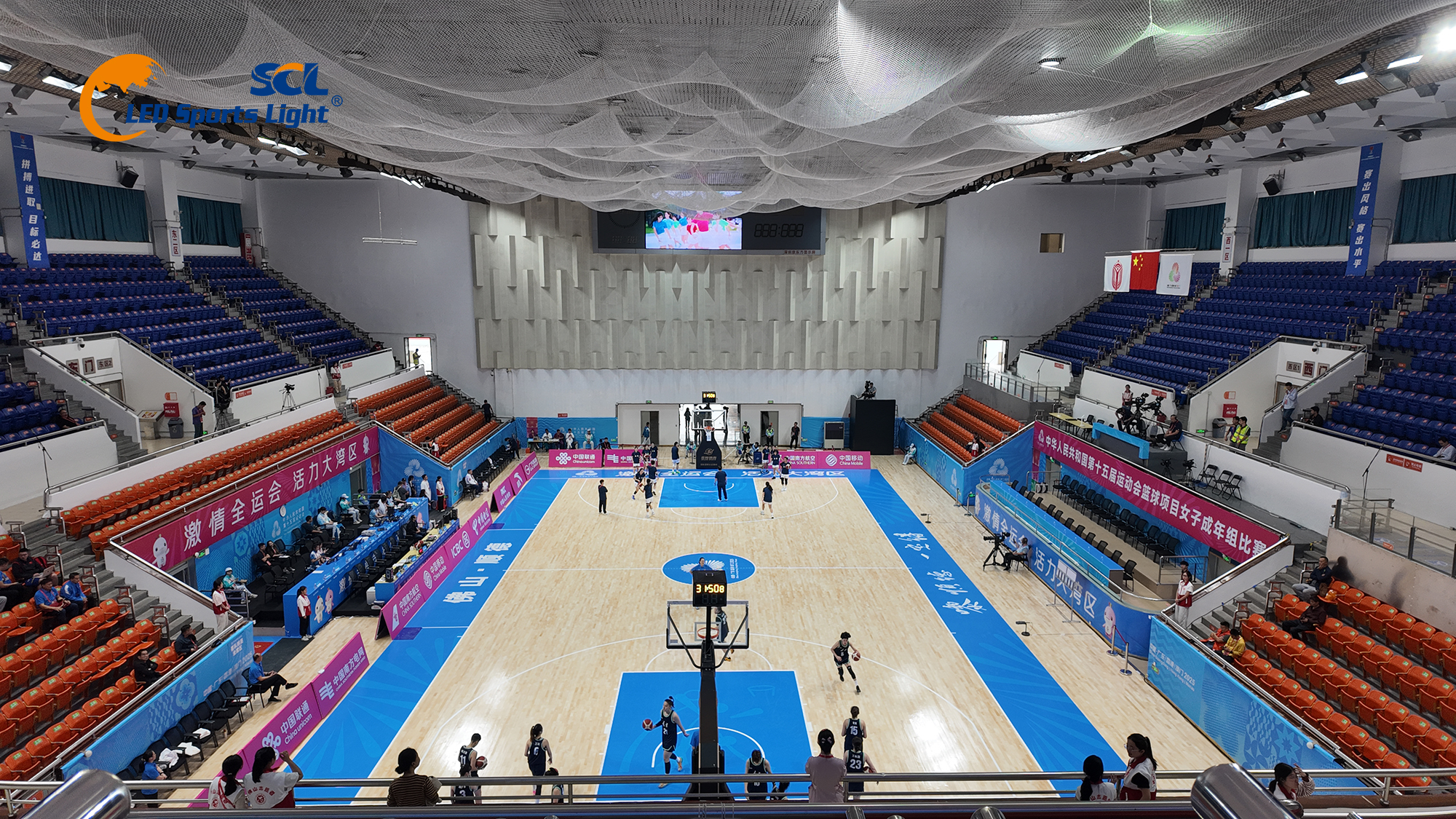
Conclusion: Professional Basketball Lighting Is Not Just Brightness
The excitement of NBA basketball highlights the importance of clear visibility during fast-paced action. For sports facilities at every level, effective lighting supports players, spectators, and, where required, broadcast cameras.
A well-designed basketball court lighting system combines appropriate illuminance, uniform light distribution, glare control, and reliable operation. For broadcast venues, camera-oriented lighting performance must also be considered.
SCL Sports Lighting provides LED sports lighting solutions for basketball courts and other sports facilities. Each project should be evaluated according to its court layout, intended use, installation conditions, and applicable lighting standards.
Whether you are upgrading a school gymnasium, developing a training facility, or planning a competition arena, a professional lighting design can help create a better playing environment while supporting long-term operating efficiency.
https://www.stadiumlight.com/
GUANGDONG SEVEN CONTINENTS INDUSTRIAL CO., LTD -
AuthorPosts

- You must be logged in to reply to this topic.