
- This topic is empty.
-
AuthorPosts
-
15/10/2026 at 15:13 #8268
Capturing fast-moving objects accurately is a common challenge in machine vision. In applications such as robotic guidance, automated inspection, and object tracking, even small image distortions can affect detection results and system performance. High resolution is valuable, but it must be combined with suitable shutter technology, frame rate, lens design, and data transmission.
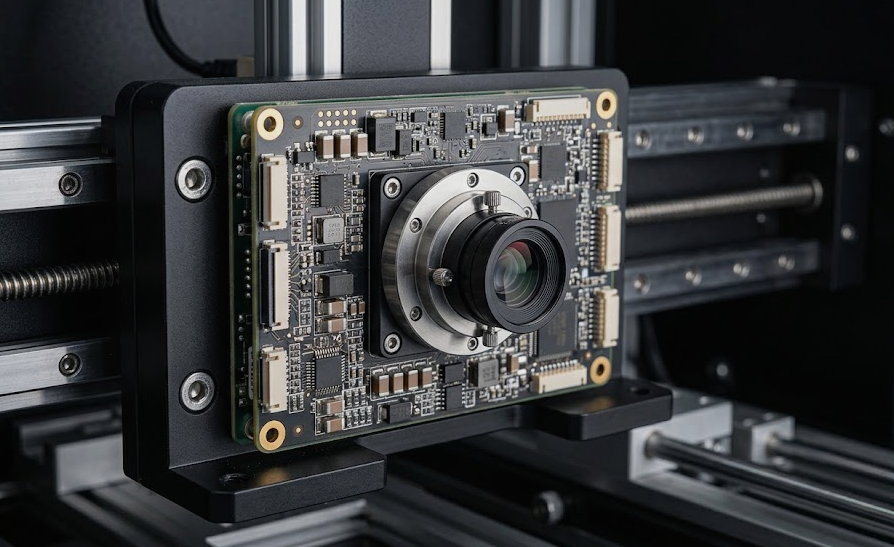
The ELP Global Shutter USB3.0 Camera 5MP 60fps is designed for vision applications that require detailed imaging and reliable motion capture. With a global shutter sensor, USB 3.0 connectivity, and compatible wide-angle lens options, it provides a camera solution worth considering for industrial and embedded vision systems.
Why Shutter Technology Matters in Dynamic Vision
When a camera captures a moving object, the shutter type can influence how accurately its shape and position appear in the image.
A rolling shutter captures different sensor rows at different times. If an object moves quickly during exposure, this can cause visible distortion, such as tilted edges or altered object shapes. These effects may create problems for systems that rely on accurate position detection or shape analysis.
A global shutter captures the image across the sensor at essentially the same moment, helping reduce motion-related distortion. This makes global shutter cameras useful for applications involving fast-moving components, robotic arms, conveyor belts, and dynamic object tracking.
For buyers choosing an industrial USB camera, shutter technology should therefore be considered alongside resolution and frame rate. The most suitable configuration depends on how quickly the target moves and how precisely its position or shape must be measured.
Balancing 5MP Resolution with 60fps Performance
The ELP 5MP camera supports resolutions up to 2592 × 1944 and frame rates up to 60fps in MJPEG format. It also supports 1920 × 1080 at 60fps in YUY2 format.
These capabilities offer a balance between image detail and temporal information. A 5MP image can help reveal smaller features, while 60fps provides frequent updates when monitoring moving targets.
For example, an automated inspection system may need to identify a component's edges while it travels along a production line. A robotic vision system may need to track an object's changing position before performing a movement. In both cases, resolution and frame rate must work together to provide usable image data.
Buyers should verify the supported resolution and frame rate for their selected output format rather than assuming that every format provides the camera's maximum specifications simultaneously.
Choosing a Wide-Angle Lens for a Larger Tracking Area
The lens determines how much of the scene the camera can capture and how clearly the target appears at a given distance. A wide-angle lens can cover a larger working area, potentially reducing the need for multiple cameras in some setups.
However, a wider field of view can introduce optical distortion, particularly near the edges of the image. This may affect object recognition, geometric analysis, and position calculations.
The ELP camera platform supports M12 lens configurations, including a 115-degree wide-angle no-distortion lens option. This can be useful when a system needs broad scene coverage while maintaining image geometry.
The right lens still depends on the application. A wide-angle configuration may suit tracking across a large area, while a narrower lens may be preferable when the target is small or positioned farther away. Testing the lens at the intended working distance can help confirm whether the image meets the application's requirements.
How USB 3.0 Supports High-Speed Image Transmission
High-resolution video generates significant amounts of data, especially when a system processes multiple frames every second. The camera interface must transfer that data efficiently enough to support the intended workflow.
The ELP Global Shutter USB3.0 Camera uses a USB 3.0 interface, which offers greater bandwidth than USB 2.0 and is better suited to many high-resolution imaging applications.
The camera also supports UVC plug-and-play operation on compatible systems. This can simplify integration with supported computers and embedded platforms by reducing the need for specialized camera drivers.
However, reliable performance depends on the complete system. The host computer, USB controller, cable, software, and image-processing workload can all affect the achievable frame rate. Developers should test the camera with their intended hardware and application software before deploying it in production.
Where Can a 5MP Global Shutter USB Camera Be Used?
The combination of global shutter imaging, high frame rate, and USB connectivity makes this type of camera relevant to several applications.
-
Machine vision: Capture images for object positioning and visual analysis.
-
Robotic vision: Help robots identify and track objects during movement.
-
Automated inspection: Record moving components for quality checks.
-
Dynamic object tracking: Monitor changes in an object's position over time.
-
Motion analysis: Capture movement for subsequent image or video analysis.
-
Embedded vision: Integrate camera functionality into compact equipment.
-
Industrial monitoring: Observe moving processes and equipment conditions.
-
Barcode and object recognition: Capture images for identification tasks, depending on code size, movement speed, lighting, and lens selection.
Actual suitability depends on the target, lighting conditions, processing requirements, and overall system design.
What Should Buyers Check Before Selecting a Camera?
Choosing a camera based on megapixels alone can lead to an unsuitable configuration. Before purchasing a global shutter USB3.0 camera, consider the following factors:
-
Motion speed: Determine whether the shutter type and frame rate can capture the target accurately.
-
Required image detail: Match resolution to the smallest feature that must be detected.
-
Lens coverage: Choose a suitable field of view and evaluate distortion at the working distance.
-
Interface compatibility: Confirm that the host system supports the required USB connection and video format.
-
Lighting conditions: Check whether the sensor and lighting setup can produce consistent images.
-
Processing capability: Ensure the computer or embedded platform can handle the incoming image data.
Evaluating these factors together helps businesses select equipment that meets real application requirements rather than relying on headline specifications alone.
Why Consider ELP for Industrial Vision Projects?
ELP provides USB camera solutions for industrial and embedded imaging applications, with product options covering different resolutions, interfaces, and lens configurations.
For developers looking for an ELP 5MP Global Shutter USB3.0 Camera 60fps, the combination of reduced rolling distortion, detailed imaging, and high-speed USB connectivity offers a potential fit for dynamic tracking and inspection systems.
Before ordering, buyers should confirm the exact sensor configuration, supported video formats, lens option, and compatibility with their target platform. This is particularly important when the camera will be integrated into an existing machine or a custom vision system.
Conclusion
Reliable dynamic tracking requires more than a high-resolution image. Shutter technology, frame rate, lens performance, interface bandwidth, and host-system compatibility all influence the final result.
The ELP Global Shutter USB3.0 Camera 5MP 60fps is worth evaluating for machine vision, robotics, automated inspection, and other applications that need detailed images of moving objects. By matching the camera configuration to the target's movement, required field of view, and processing environment, developers can build a more effective and dependable imaging system.
http://www.hdusbcameras.com
Shenzhen Ailipu Technology Co.,Ltd -
-
AuthorPosts

- You must be logged in to reply to this topic.