
- This topic is empty.
-
AuthorPosts
-
26/11/2026 at 18:05 #8908
When shopping for baby pajamas, softness is often the first thing parents notice. However, a comfortable fabric does not automatically mean a garment meets every requirement for infant sleepwear. Fiber composition, chemical processing, garment construction, breathability, and safety standards all influence the quality of the finished product.
This is why organic cotton baby pajamas have become an important option for families seeking natural-fiber clothing. For parents, the challenge is knowing which product claims are meaningful and which details deserve closer attention. Understanding fabric certifications and practical safety features can make choosing baby sleepwear much easier.
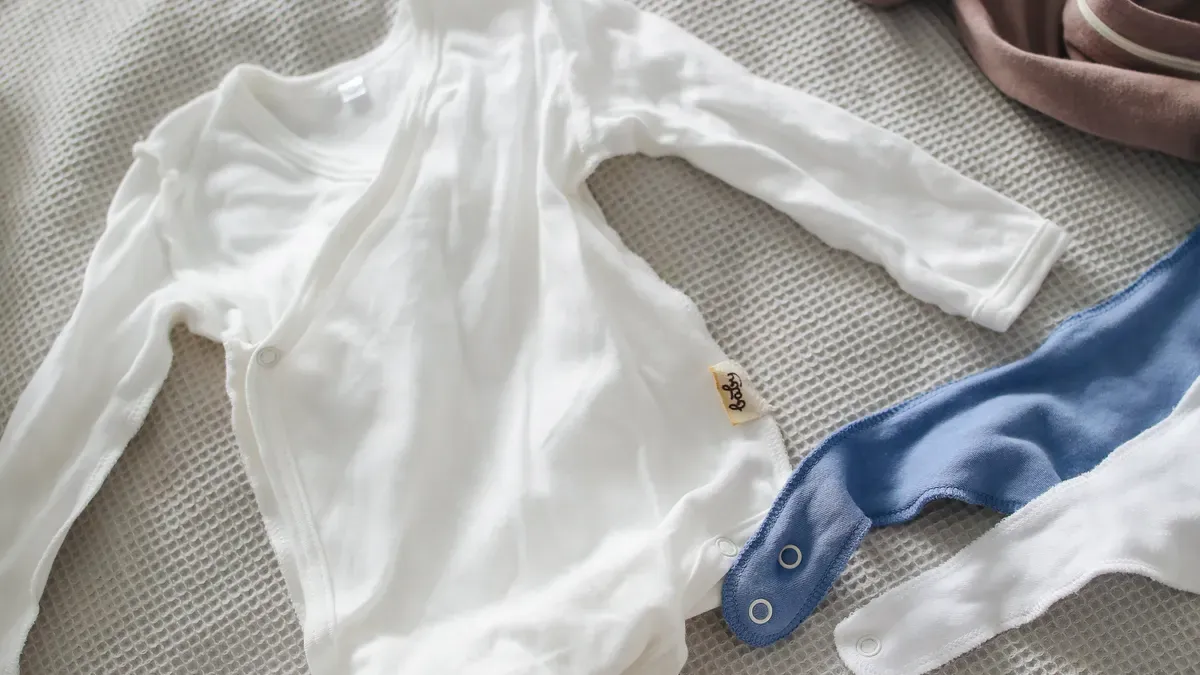
1. Understanding the Difference Between Organic and Conventional Cotton
Cotton is widely used in baby clothing because it is soft, absorbent, and versatile. However, conventional and organic cotton differ in their agricultural production requirements.
Organic cotton is grown according to defined organic farming standards that restrict the use of synthetic pesticides and fertilizers. This makes it an appealing choice for parents who prefer textiles made from organically produced fibers.
Nevertheless, organic fiber content alone does not determine the chemical safety of a finished garment. Dyeing, printing, washing, and finishing processes can also affect the final material. Buyers should therefore consider both the cotton source and the standards followed during textile processing.
For families looking for organic cotton baby pajamas for sensitive skin, it is worth checking product certifications, fabric composition, and care instructions rather than relying only on descriptions such as natural or chemical-free.
2. Fabric Finishing and Dye Selection Matter
Baby pajamas remain in contact with the skin for extended periods, so the quality of dyes and finishing treatments deserves attention.
Some textile treatments are designed to improve wrinkle resistance, color stability, or fabric appearance. If chemical residues are not properly controlled, certain substances may cause irritation in sensitive individuals. Printed designs and decorative materials should also be evaluated as part of the finished garment.
A strong chemical odor, unusual surface coating, or uncomfortable texture may justify further inspection, although smell alone cannot identify a specific chemical.
Parents can take a simple precaution by washing new pajamas before first use with a mild, fragrance-free detergent. This helps remove some surface residues and manufacturing dust. It does not replace appropriate chemical testing or certification.
3. Softness, Breathability, and Fabric Construction
The comfort of baby pajamas depends on more than whether the fabric is made from organic cotton. Yarn quality, knitting structure, fabric weight, and finishing all influence how a garment feels.
A lightweight cotton knit can offer flexibility and airflow, making it suitable for everyday sleepwear in warmer conditions. Thicker fabrics may provide additional warmth but should be selected according to room temperature and the baby's clothing layers.
When evaluating breathable organic cotton baby pajamas, consider:
-
Fabric composition: Check whether the garment is 100% cotton or contains other fibers.
-
Surface feel: The fabric should feel smooth and comfortable without rough seams or irritating labels.
-
Stretch and recovery: Suitable flexibility helps the garment move with the baby while maintaining its shape.
-
Washing performance: Quality sleepwear should retain acceptable softness, dimensions, and color after repeated laundering.
Thread count alone is not a reliable measure of comfort or breathability, particularly for knitted baby garments. Fabric construction and actual performance are more useful indicators.
4. Garment Design and Everyday Safety
Material quality is only one part of baby sleepwear selection. Fit and construction also influence safety.
In the United States, children's sleepwear is subject to Consumer Product Safety Commission requirements. Certain cotton sleepwear must meet specific snug-fitting design and labeling requirements because untreated cotton can ignite more readily than compliant flame-resistant sleepwear.
Parents should check garment labels and choose products that comply with the regulations in their market. Requirements differ by product category and age or size range, so organic cotton should never be assumed to provide flame resistance by itself.
Other practical design details include:
-
Snug but comfortable fit: Avoid excessively loose sleepwear that can bunch around the body.
-
Secure closures: Zippers and snaps should be firmly attached and designed to reduce skin contact or discomfort.
-
No unnecessary loose decorations: Small detachable buttons, beads, and decorative pieces can create choking hazards.
-
Careful stitching: Loose threads and poorly finished seams should be avoided.
-
Convenient diaper access: Well-positioned snaps or suitable zipper designs can simplify nighttime changes.
Simple construction often provides a practical balance between comfort, durability, and everyday usability.
5. GOTS and OEKO-TEX: What Do These Certifications Mean?
Certifications help parents and buyers evaluate textile claims, but different standards serve different purposes.
GOTS (Global Organic Textile Standard)
GOTS covers organic textile processing and supply-chain requirements, including environmental and social criteria. Products labeled GOTS organic generally require at least 95% certified organic fibers, while the made-with-organic category has a lower minimum threshold of 70%, subject to the standard's requirements.
For buyers sourcing organic baby sleepwear, checking the certificate and its scope is essential. A manufacturer's general certification does not automatically mean every product in its collection is certified.
OEKO-TEX Standard 100
OEKO-TEX Standard 100 focuses on testing textile products for harmful substances. Its testing requirements vary according to product class, with Class I applying to products intended for babies and young children up to three years old.
Unlike GOTS, OEKO-TEX Standard 100 does not certify that the cotton is organically grown. Instead, it provides information about the tested product's compliance with specified harmful-substance limits.
For parents, these certifications provide different types of assurance. GOTS addresses organic textile production, while OEKO-TEX Standard 100 focuses on harmful-substance testing of the finished textile product.
6. Building a Practical Baby Sleepwear Collection
For baby clothing brands and retailers, product development requires balancing material quality, comfort, safety, and market preferences.
A useful collection may include lightweight cotton pajamas for warmer conditions, long-sleeved designs for cooler seasons, and different sizes to accommodate children's growth. Fabric composition, colorfastness, shrinkage, stitching, and closure durability should be evaluated before bulk production.
For manufacturers, consistent material sourcing and quality inspection are equally important. Testing finished garments and reviewing certification documentation can help reduce product-quality risks and support more reliable sourcing decisions.
Conclusion
Choosing quality baby pajamas requires more than finding the softest fabric. Organic cotton can be a suitable option for families who prefer organically produced natural fibers, but garment safety also depends on processing, certification, fit, and construction.
By checking fabric composition, understanding GOTS and OEKO-TEX requirements, selecting breathable materials, and following appropriate sleepwear safety guidance, parents can make more informed decisions. The best non-toxic kids sleepwear is not defined by a single label, but by verified material quality and thoughtful product design.
https://www.liangliangbaby.com/cotton-baby-pajamas-safety-tips.html
http://www.liangliangbaby.com
Nanchang Liangliang Industrial Co.,Ltd -
-
AuthorPosts

- You must be logged in to reply to this topic.