
- This topic is empty.
-
AuthorPosts
-
08/06/2026 at 11:46 #6959
In modern industrial safety engineering, Valve Interlock Systems have become a critical safeguard for preventing operational errors in complex process environments. Industries such as oil refining, LNG processing, chemical manufacturing, power generation, and tank storage rely heavily on structured valve control to ensure safe and efficient operations.
Unlike automated control systems, many real-world facilities still depend on mechanical valve interlock systems, especially those based on trapped-key technology designed for manual valve operations. These systems—such as those used in industrial solutions like Nudango—do not rely on electronics or software. Instead, they enforce strict operational sequences through physical key-transfer logic.
This article presents several real industrial case studies where valve interlock systems have been successfully implemented to improve safety, reduce risk, and enhance operational discipline.
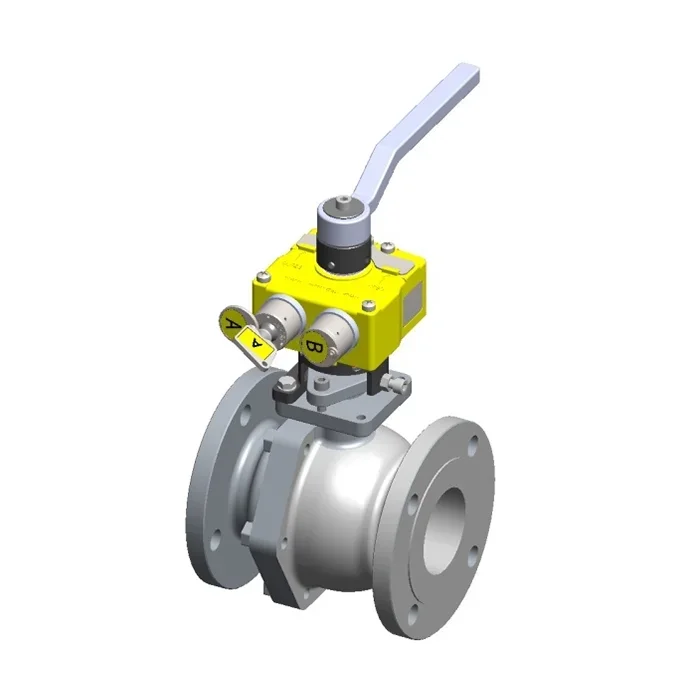
1. Case Study: Oil Refinery Crude Distillation Unit (CDU) Safety Upgrade
Background
A large Middle Eastern oil refinery operating a 300,000 barrels-per-day crude distillation unit experienced multiple near-miss incidents during startup and shutdown operations. The main issue was incorrect sequencing of manual valve operations in the crude feed and furnace bypass lines.
Operators occasionally:
-
Opened bypass valves before full isolation
-
Started pumps with incorrect discharge alignment
-
Failed to properly depressurize lines before maintenance
Although no major accident occurred, the risk level was classified as unacceptable after a Process Hazard Analysis (PHA).
Solution Implemented
The refinery installed a mechanical valve interlock system based on trapped-key technology across key manual valve points, including:
-
Crude inlet isolation valves
-
Furnace feed bypass valves
-
Pump suction and discharge valves
-
Drain and vent lines
The system enforced a strict sequence:
-
Crude inlet valve must be closed
-
Depressurization valve must be opened
-
Pump isolation must be confirmed
-
Only then can maintenance access be enabled
Results
After implementation:
-
Startup errors were eliminated
-
Maintenance lockout procedures became physically enforced
-
Operator dependency on memory reduced significantly
-
No valve misalignment incidents reported over 24 months
The refinery reported a significant improvement in process safety management (PSM) compliance.
2. Case Study: LNG Storage Terminal Loading Arm Safety Control
Background
An LNG import terminal in Southeast Asia faced operational risks during ship loading and unloading operations. The terminal handled cryogenic LNG transfer at -162°C, requiring precise valve coordination between:
-
Storage tanks
-
Loading arms
-
Boil-off gas (BOG) recovery systems
Operators manually controlled multiple valves during transfer, and sequencing errors could lead to:
-
Pressure surges
-
LNG leakage
-
Emergency shutdown activation
Solution Implemented
A manual mechanical valve interlock system was installed on critical transfer valves, including:
-
LNG export valves
-
BOG return valves
-
Emergency isolation valves
The system used trapped-key logic to ensure:
-
Loading arm could not open unless tank pressure was stabilized
-
BOG system had to be active before transfer
-
Emergency vent valves were locked until isolation was confirmed
Results
After deployment:
-
Transfer operations became fully sequence-controlled
-
Emergency shutdown events decreased significantly
-
Operator training time was reduced
-
No LNG spillage incidents occurred during loading operations
The system improved both operational safety and loading efficiency.
3. Case Study: Power Plant Boiler Feedwater System
Background
A coal-fired power plant in Eastern Europe experienced recurring operational issues in its boiler feedwater system. During maintenance and startup cycles, incorrect valve sequencing caused:
-
Water hammer events
-
Feed pump cavitation
-
Pressure instability in boiler lines
These incidents led to equipment wear and unplanned downtime.
Solution Implemented
The plant implemented a mechanical valve interlock system for manual feedwater valves, focusing on:
-
Boiler inlet isolation valves
-
Feed pump suction and discharge valves
-
Drain and vent valves
The interlock system ensured:
-
Pump could not start unless suction valve was open
-
Boiler isolation had to be completed before venting
-
Drain valves could only be opened after pressure verification
Results
-
Water hammer incidents reduced to near zero
-
Equipment maintenance costs decreased
-
Startup reliability improved significantly
-
Operator errors during shift changes eliminated
The plant reported improved boiler safety management performance.
4. Case Study: Chemical Plant Multi-Tank Transfer System
Background
A chemical manufacturing facility producing solvents and specialty chemicals operated a complex multi-tank storage and transfer system. The plant faced a serious risk of:
-
Cross-contamination between chemical batches
-
Incorrect routing of hazardous fluids
-
Manual valve misalignment during product changeover
Even minor errors could lead to product loss or dangerous chemical reactions.
Solution Implemented
A trapped-key mechanical valve interlock system was installed across:
-
Tank inlet/outlet valves
-
Transfer pumps
-
Mixing lines
-
Drain systems
The system ensured:
-
Only one tank could be connected at a time
-
Incorrect pipeline combinations were physically blocked
-
Pump operation required correct valve alignment
Results
-
Cross-contamination incidents eliminated
-
Product quality consistency improved
-
Batch changeover time reduced
-
Operator workload significantly reduced
The facility achieved higher production reliability and safety compliance.
5. Case Study: Tank Farm Fuel Distribution Terminal
Background
A large fuel distribution terminal handling gasoline, diesel, and jet fuel experienced risks during product transfer between storage tanks and loading stations. The main challenges included:
-
Incorrect tank selection during transfer
-
Simultaneous opening of incompatible valve lines
-
Human error during high-volume loading operations
Solution Implemented
A mechanical valve interlock system for manual tank farm valves was installed to control:
-
Tank inlet selection valves
-
Transfer line isolation valves
-
Loading pump systems
The system logic enforced:
-
Only one valid tank-to-line connection at a time
-
Pump operation only after correct valve alignment
-
Physical prevention of incorrect routing
Results
-
Fuel misrouting eliminated
-
Loading safety improved significantly
-
Operational discipline enhanced
-
Reduced product loss and rework costs
The system became a key part of the terminal’s safety management framework.
6. Key Observations from Real-World Applications
Across all industries, several consistent advantages of valve interlock systems were observed:
6.1 Elimination of Human Error
Most industrial incidents were not caused by equipment failure but by incorrect valve operation. Mechanical interlocks effectively removed this risk.
6.2 Physical Enforcement of Safety Logic
Unlike procedural training or software alarms, mechanical systems ensure:
Unsafe actions are physically impossible, not just discouraged.
6.3 High Reliability in Harsh Environments
Systems performed consistently in:
-
Cryogenic LNG environments
-
High-temperature boiler rooms
-
Corrosive chemical plants
-
Offshore and remote facilities
6.4 Reduced Dependence on Automation Systems
Many facilities discovered that mechanical interlocks provide a critical safety layer independent of PLC or DCS systems.
7. Role of Mechanical Valve Interlock Systems in Industry
Systems like mechanical valve interlock systems used in manual valve logic (e.g., Nudango-type designs) continue to play a major role in modern industrial safety because they:
-
Do not rely on electricity
-
Require no software maintenance
-
Provide physical safety enforcement
-
Integrate easily into existing valve infrastructure
They are especially valuable in safety-critical applications where fail-safe operation is essential.
8. Conclusion
These real-world case studies demonstrate that Valve Interlock Systems are not theoretical safety tools—they are proven industrial solutions used across high-risk industries worldwide.
From oil refineries and LNG terminals to chemical plants and power stations, mechanical valve interlock systems consistently deliver:
-
Improved operational safety
-
Reduced human error
-
Enhanced process reliability
-
Lower maintenance and incident costs
In particular, mechanical trapped-key valve interlock systems designed for manual valve control remain one of the most reliable and widely adopted safety mechanisms in modern industrial operations.
As industrial systems continue to grow in complexity, the importance of physically enforced safety logic will only increase, making valve interlock systems a foundational component of global process safety engineering.
http://www.nudango.com
nudango -
-
AuthorPosts

- You must be logged in to reply to this topic.