
- This topic is empty.
-
AuthorPosts
-
28/08/2026 at 19:13 #7785
The Middle East is rapidly expanding its renewable energy capacity, with solar power, battery energy storage, and grid modernization becoming important parts of the region's energy development. As these projects scale up, reliable grounding, bonding, lightning protection, and electrical monitoring are becoming increasingly important.
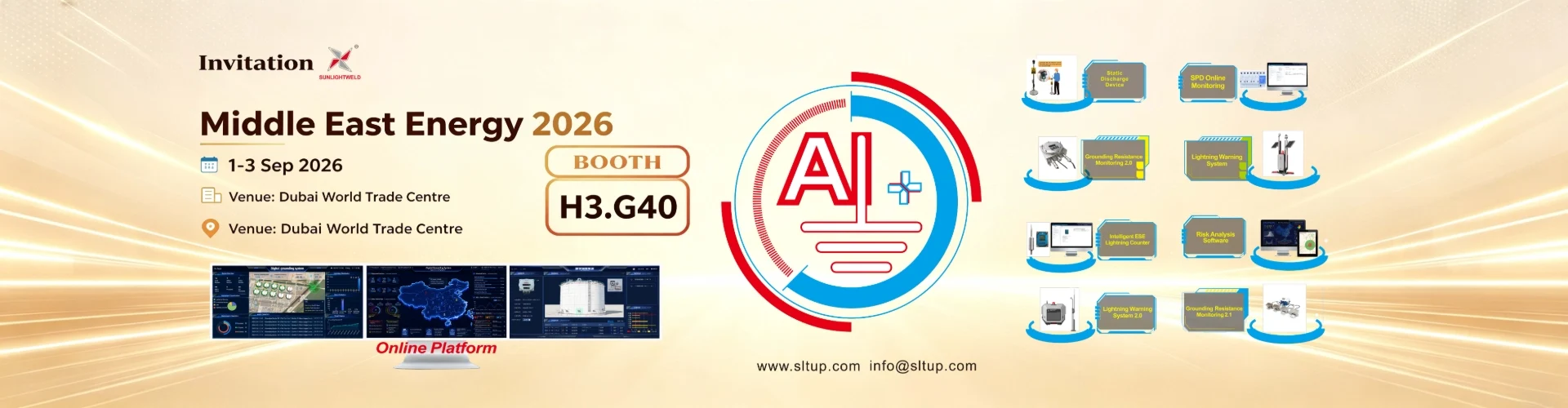
At Middle East Energy 2026, Sunlight Grounding will showcase its lightning grounding solutions for power systems, photovoltaic projects, energy storage facilities, and other critical infrastructure.
How Renewable Energy Is Reshaping the Middle East
The growth of utility-scale solar projects is creating greater demand for the electrical infrastructure that supports renewable power generation. A large PV facility involves far more than solar modules and inverters. Substations, cables, grounding systems, protection equipment, and monitoring technologies all contribute to project operation.
The Grounding Challenge of Large Solar Farms
A larger solar plant means a larger electrical network and more equipment distributed across the site. The grounding system must therefore provide reliable connections across a wide area.
Grounding conductors and their connections need to maintain low resistance, resist corrosion, and remain mechanically stable throughout the project's service life.
Grounding and Lightning Protection as One System
Outdoor renewable energy facilities such as solar farms and substations require coordination between grounding, bonding, surge protection, and lightning protection.
A properly designed grounding network provides a path for fault and lightning currents while helping maintain equipotential bonding between electrical equipment. Grounding is therefore an important part of the overall electrical protection strategy.
BESS Expansion Brings Additional Grounding Needs
Battery energy storage systems are increasingly being deployed alongside renewable generation. By storing electricity when generation is high and releasing it when demand rises, BESS installations help address the difference between electricity production and consumption.
As energy storage facilities increase in scale, the associated grounding and protection requirements become more involved.
Supporting Renewable Integration and Grid Flexibility
Energy storage can be used for peak demand management, backup power, and grid balancing in addition to supporting renewable energy integration.
In solar-plus-storage projects, photovoltaic systems, batteries, power conversion equipment, substations, and protection systems need to function as a coordinated electrical network.
The Importance of Grounding in Energy Storage Facilities
BESS sites contain electrical equipment, metallic enclosures, power conversion systems, and numerous interconnected components. These elements require appropriate grounding and bonding.
Grounding conductors, bonding connections, surge protection, and lightning protection therefore form important parts of the electrical safety design for large energy storage installations.
Technologies to Explore at Middle East Energy 2026
The expansion of renewable generation and energy storage is driving interest in technologies that can protect electrical infrastructure while improving its long-term operation.
Grounding for Renewable Energy and Storage Projects
For renewable energy developers and EPC contractors, evaluating a project involves more than selecting generation or storage equipment.
Grounding durability, installation efficiency, electrical safety, maintenance requirements, and lifecycle costs can all influence the long-term performance of solar and energy storage installations.
Advanced Lightning Grounding Solutions
Modern lightning grounding solutions integrate grounding conductors, earth electrodes, permanent connections, bonding components, and lightning protection into a coordinated system.
Copper bonded grounding conductors combine copper's conductivity and corrosion resistance with the mechanical strength of steel. Exothermic welding can form permanent molecular connections with high conductivity and low resistance, making these technologies suitable for long-service grounding networks.
Intelligent Grounding Monitoring
Conventional grounding systems often depend on scheduled inspection and testing. Smart monitoring introduces continuous data collection, remote system visibility, and real-time alerts.
This can be particularly useful for widely distributed solar farms, substations, and energy storage facilities, where online monitoring can help maintenance teams identify abnormal conditions without relying entirely on manual inspections.
What Buyers Consider When Selecting Grounding Solutions
For utilities, EPC contractors, renewable energy developers, and distributors, the selection of grounding equipment increasingly involves factors beyond initial purchase price.
Reliability, Safety, and Standards
Grounding components can remain underground or operate in harsh environmental conditions for extended periods. Corrosion resistance, stable electrical performance, and durable connections can influence both maintenance requirements and service life.
Compliance with recognized international standards also helps buyers assess whether grounding products are appropriate for power, solar, and energy storage projects in different markets.
Scalability and Long-Term Cost
Grounding requirements can range from a single substation to a utility-scale solar farm containing thousands of connection points.
Consequently, installation time, maintenance needs, product service life, replacement expenses, and supply stability can all influence the overall project cost when grounding components are deployed on a large scale.
Sunlight Grounding for Renewable Energy Infrastructure
Founded in 2002, Sunlight Grounding provides Total Earthing Solutions for Electric Power, Petroleum & Petrochemical, Rail Transit, Civil Aviation, Photovoltaic & Solar, and other critical infrastructure sectors. Its solutions have been used in more than 5,000 project cases worldwide.
Integrated Grounding and Bonding Solutions – UL 467, IEEE 837, IEC, CE, and RoHS Certified
Sunlight Grounding's product range includes exothermic welding systems, copper bonded grounding conductors, earth rods, grounding accessories, and bonding products.
Its EPLUS electronic ignition exothermic welding system combines permanent exothermic connections with electronic ignition, Type-C charging, and an LCD interface. The company also supplies copper bonded grounding products for solar installations, energy storage systems, substations, and other power infrastructure.
Applicable products are designed and tested according to relevant international requirements, including UL 467, IEEE 837, IEC, CE, and RoHS, while Sunlight Grounding operates under ISO 9001.
Moving Toward Smart Grounding Monitoring
In addition to conventional grounding products, Sunlight Grounding provides intelligent grounding monitoring and lightning protection warning solutions.
These systems support 24/7 monitoring, real-time alerts, Cloud IoT connectivity, and data analysis. For large-scale solar farms, energy storage facilities, and substations, such capabilities can help operators identify abnormal conditions earlier and use monitoring information to support preventive maintenance.
Middle East Energy 2026 and the Future of Grounding
The expansion of solar generation and energy storage is increasing the number of electrical assets that must be properly grounded, bonded, protected, and monitored. In large-scale projects, conductor durability, connection reliability, and visibility into grounding conditions can all influence maintenance and lifecycle costs.
At Middle East Energy 2026, Booth H3.G40, Sunlight Grounding will present its lightning grounding solutions, including grounding and bonding products, exothermic welding technologies, and intelligent grounding monitoring solutions.
https://www.sltup.com/Products
http://www.sltup.com
Sunlight Grounding -
AuthorPosts

- You must be logged in to reply to this topic.